
Rent or Buy in St. Augustine, FL: 2026 Guide
Real Estate, Rent Vs Buy, St. Augustine Housing
Is It Cheaper to Rent or Buy a Home in St. Augustine, FL in 2026?
St. Augustine’s cobblestone streets, beaches, and historic charm make it one of Florida’s most desirable coastal cities—but does that mean it’s smarter to rent or buy here in 2026? This guide breaks down local real estate costs, St. Augustine housing trends, and practical home buying tips so you can decide which option truly supports affordable living for your lifestyle and budget.
St. Augustine Housing Snapshot: What Are People Paying to Rent?
To understand the rent vs buy question, you first need a realistic picture of current rental prices. Across major platforms, long‑term rents in St. Augustine typically fall between about $1,500 and $2,300 per month, depending on size and property type.
RentCafe reports an average rent of about $1,851, with 1‑bedrooms around $1,546 and 3‑bedrooms near $2,240 as of June 2026 (apartment‑focused).
Zumper’s June 2026 data shows a median rent of roughly $2,297, with 1‑bedrooms around $1,500 and 3‑bedrooms close to $2,290.
Trulia places the overall average rent near $2,300, with houses generally costing more than apartments or townhomes.
Short‑term vacation rentals tell a different story, with nightly rates averaging around $256–$286 and peaking in summer and holiday months. For most residents weighing affordable living, though, it’s the long‑term rental market that matters—and those numbers place St. Augustine slightly above national averages, but not wildly out of reach for many households.
What Does It Cost to Buy a Home in St. Augustine Right Now?
On the buying side, St. Augustine housing prices have cooled from the frenzy of 2021–2022. Most recent data puts the typical median sale price between about $415,000 and $445,000, depending on the source and time frame:
Redfin reports a median sale price around $415,000, down roughly 4.7% year‑over‑year as of May 2026.
Zillow shows an average home value of about $432,137, down about 2.9% from last year.
PropertyFocus reports a median single‑family price of roughly $425,000 as of June 2026.
Prices also vary significantly by ZIP code. Inland areas like 32084 average closer to $346,700, while coastal and beach‑adjacent 32080 can top $538,000. That spread of nearly $200,000 is critical when you’re exploring real estate costs and trying to keep your monthly payment manageable.
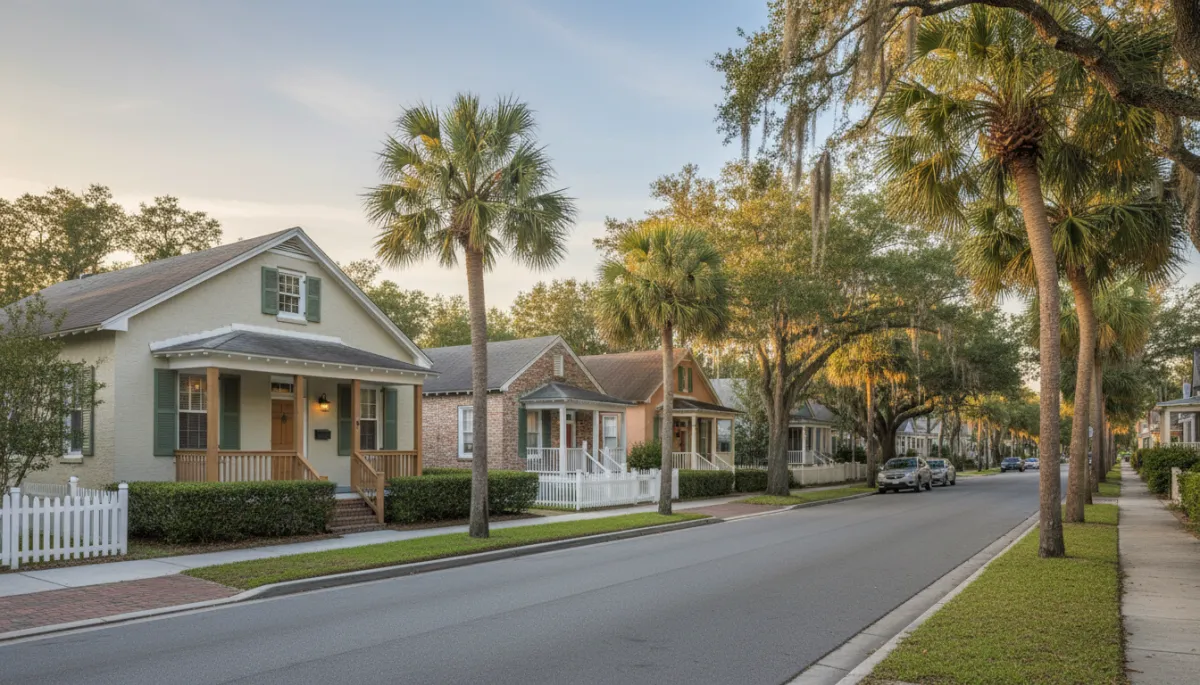
Inland neighborhoods often offer lower prices than beachfront areas while staying close to amenities.
Rent vs Buy in St. Augustine: A Side‑by‑Side Cost Comparison
To answer whether it’s cheaper to rent or buy in St. Augustine, let’s look at a realistic example using current 2026 data. A local analysis from DJ & Lindsey Real Estate modeled a home purchase around $410,000 with 20% down and a 6.47% interest rate. The estimated:
Principal and interest payment alone is about $2,070 per month.
Once you add property taxes, homeowners insurance, and possibly HOA dues, the total monthly outlay often lands between $2,700 and $3,100.
Compare that to renting a 3‑bedroom home or townhome. Based on Zumper, Trulia, and other rental platforms, a typical 3‑bedroom rental in St. Augustine might run between about $2,300 and $2,800 per month, depending on neighborhood and amenities.
📌 Key Takeaway: For many households, the monthly cost of renting vs buying a comparable home in St. Augustine is surprisingly close—often within a few hundred dollars either way. The difference comes down less to the monthly payment and more to flexibility, upfront cash, and long‑term equity.
When Renting Makes More Sense for Affordable Living
For many people, especially newcomers testing out St. Augustine, renting still offers a more accessible path to affordable living—even if the monthly payment is similar to a mortgage. Here’s why renting can be the better option in the rent vs buy debate:
Lower upfront costs. Instead of a 10–20% down payment (which could be $40,000–$80,000 on a median‑priced home), you may only need first month’s rent, last month, and a security deposit.
Less responsibility for repairs. Air‑conditioning repairs, roof leaks, and appliance replacements are typically the landlord’s responsibility—not yours.
Flexibility in a shifting market. With St. Augustine real estate costs showing mixed trends—some sources report slight price drops, others modest gains—renting lets you watch the market from the sidelines before committing.
If you’re unsure how long you’ll stay, work remotely and may relocate, or want time to explore neighborhoods from 32084 to 32080, renting first is often the more financially cautious move—even in a buyer‑leaning market.
When Buying a Home in St. Augustine Can Pay Off
Despite higher upfront costs, buying can still be the smarter long‑term play for many residents, especially with St. Augustine’s strong lifestyle appeal and continued population growth. Here’s when buying may tip the scale in the rent vs buy equation:
You plan to stay at least 5–7 years. Closing costs, moving expenses, and potential price fluctuations are easier to absorb over a longer timeframe, and you’ll benefit more from gradual appreciation.
You want to build equity instead of paying rent. Even if your monthly costs are slightly higher than renting, part of your payment goes toward principal, building long‑term wealth.
You value stability and customization. Owning lets you renovate, add value, and avoid yearly rent hikes or landlord decisions to sell.
Market forecasts from sources like Houzeo suggest modest price increases of 2–4% over the next year as the market stabilizes. In a city as desirable as St. Augustine, that kind of steady growth, combined with principal pay‑down, can make buying attractive for long‑term planners.
Home Buying Tips for St. Augustine in 2026
If you’re leaning toward buying, a few targeted home buying tips can help you keep real estate costs under control and improve your odds of a smart purchase in this unique coastal market.
Shop by ZIP code for value. Consider more affordable inland ZIPs like 32084 or 32086 if coastal prices in 32080 stretch your budget. You’ll still enjoy quick access to downtown and beaches at a lower price point.
Factor in insurance and flood risk. In coastal Florida, homeowners insurance and potential flood coverage can significantly impact your monthly payment. Request quotes early in your search so you’re comparing true costs, not just list prices.
Use buyer‑friendly conditions to negotiate. With inventory hovering above six months in some reports and homes often selling below list price, you may have room to negotiate on price, closing costs, or repairs—especially for properties sitting on the market longer than 60–70 days.
Explore different loan programs. If 20% down is out of reach, ask your lender about FHA, VA, or other low‑down‑payment options. Just be sure to weigh mortgage insurance costs against your monthly budget and long‑term plans.
Run a detailed rent vs buy calculator. Plug in St. Augustine‑specific numbers—current median rent, realistic home price, property taxes, insurance, HOA dues, and expected time in the home—to see how the math plays out for your situation.
So, Is It Cheaper to Rent or Buy a Home in St. Augustine?
In pure monthly dollars, renting and buying are closer than many people expect in St. Augustine’s 2026 market. A typical long‑term rental might cost between $1,800 and $2,400 for many households, while owning a median‑priced home often lands in the $2,700–$3,100 range when you include taxes and insurance. That means:
Renting is usually cheaper in the short term and requires far less cash upfront, making it a better fit if you’re prioritizing flexibility and immediate affordability.
Buying can be more rewarding in the long term if you plan to stay put, want to build equity, and can comfortably handle the higher monthly and upfront costs.
Ultimately, the “cheaper” option depends on your time horizon, savings, and lifestyle. For some, renting a centrally located apartment while saving for a down payment in a more affordable neighborhood is the ideal bridge strategy. For others, locking in a home now—before potential future price increases—offers peace of mind and a stake in one of Florida’s most charming coastal communities.
Whether you decide to rent or buy, approaching St. Augustine housing with clear numbers, realistic expectations, and a long‑term plan will help you turn this historic city into a truly affordable place to call home.